

Energy Myths: What Really Saves Energy (and What Doesn’t)
When it comes to energy use at home, there’s no shortage of advice – however not all of it is true! Some common “rules” we’ve all heard can actually lead to higher energy use, not lower bills.
In this guide, we break down some of the most common energy myths, explain why they don’t hold up and share what actually works instead. This way you can make smarter, more informed choices about how you use energy every day.
The Myths:
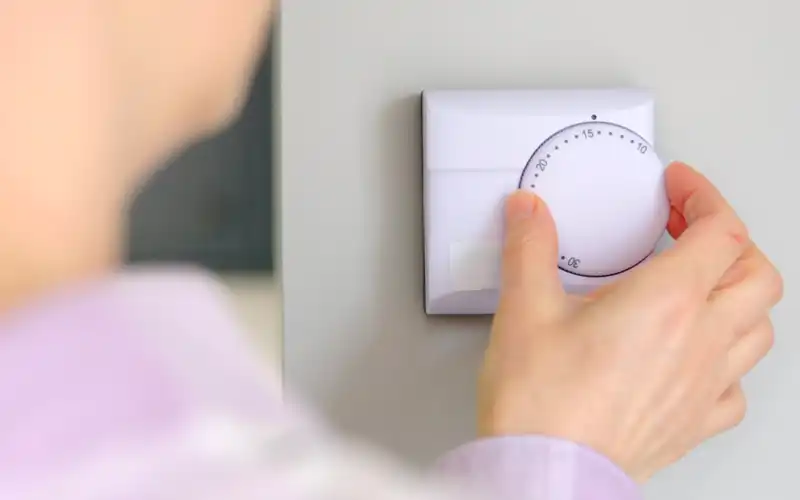
Myth 1: Turning the Thermostat Higher Heats Your Home Faster
Why it’s a myth
Turning your thermostat up higher doesn’t make your boiler or heating system work any faster. Most systems deliver heat at a steady rate, regardless of the temperature setting. By cranking it up, you’re more likely to overshoot your ideal temperature, wasting energy and making your home uncomfortably warm.
What to do instead
Set your thermostat to a sensible, comfortable temperature and allow your heating system to reach it gradually. This avoids unnecessary energy use and helps maintain a more consistent indoor temperature.
Myth 2: Smart Meters Automatically Reduce Your Energy Bills
Why it’s a myth
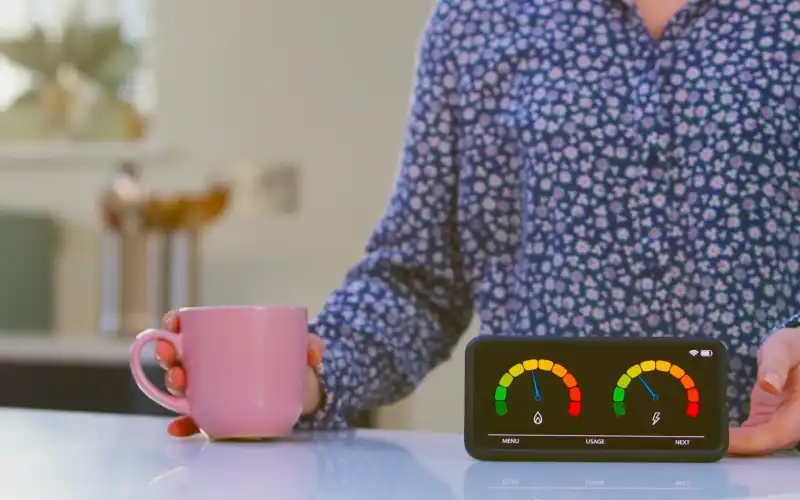
A smart meter doesn’t reduce energy use on its own; it simply shows you how much energy you’re using and when. Without changing behaviour, having a smart meter alone won’t lower your bills.
What actually saves energy
Use the insights your smart meter provides to spot patterns and make adjustments. This could include turning off appliances when not in use, shifting energy-intensive tasks to off-peak times, or refining your heating schedule. Tools like our FoxRadar Tank Monitor can help turn this data into clearer, more actionable insights.
Myth 3: Insulation Doesn’t Make a Difference in Summer
Why it’s a myth
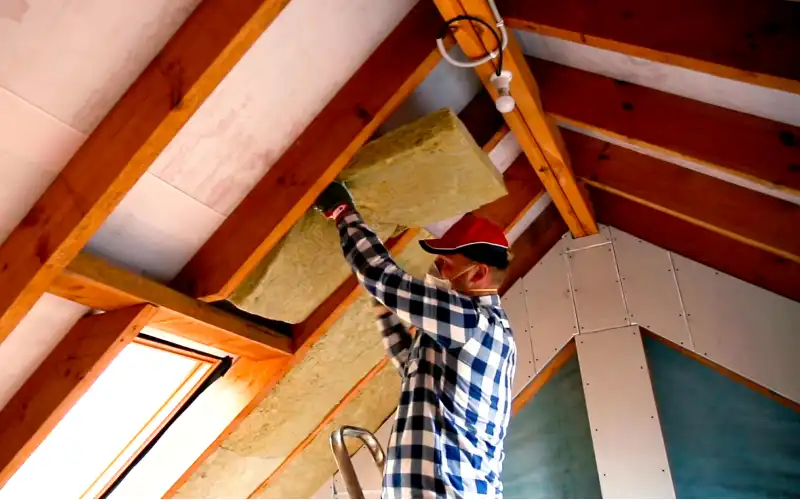
Insulation is often associated with keeping homes warm in winter, but its role is about temperature control year-round. Good insulation slows heat transfer in both directions, helping keep heat in during winter and out during summer.
The real benefit
Well-insulated lofts and walls help reduce heat loss in colder months and limit overheating in warmer weather. The result is a more stable indoor temperature and improved energy efficiency throughout the year.
Myth 4: Closing Radiators or Vents in Unused Rooms Saves Energy
Why it’s a myth
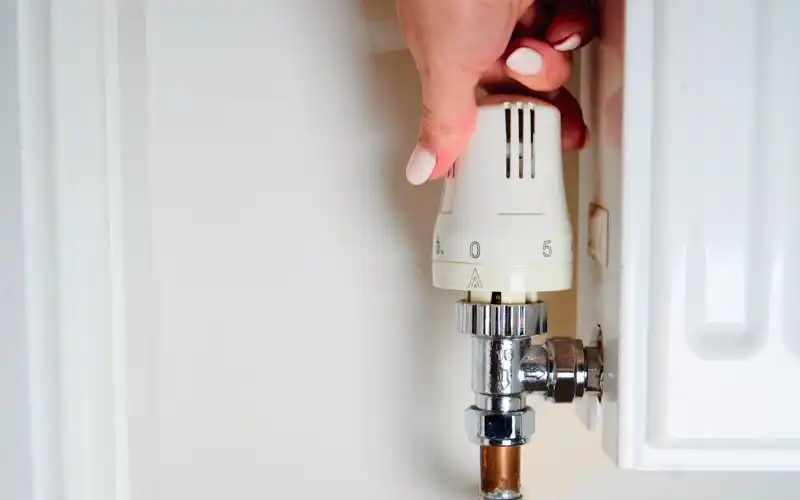
Whilst it sounds logical, closing radiators or vents can disrupt the balance of your heating system. This can force your boiler to work harder to maintain pressure and temperature, sometimes increasing energy use rather than reducing it.
What works better
Use thermostatic radiator valves (TRVs) to control the heat output in individual rooms and zone your heating system where possible. This allows you to fine-tune comfort without putting extra strain on your system.
Myth 5: Hand-Washing Dishes Is More Energy-Efficient Than Using a Dishwasher
Why it’s a myth
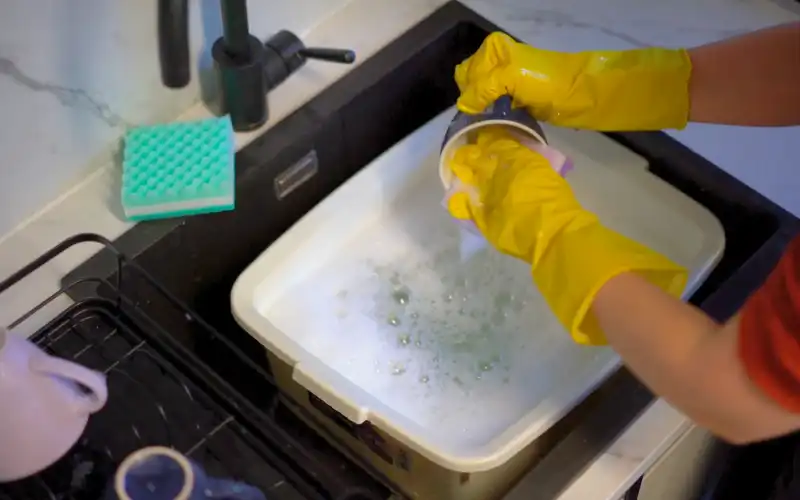
Studies show that a modern dishwasher running a full load on an eco setting can use less energy and water than washing dishes by hand – especially if the tap is left running.
A smarter approach
Only run the dishwasher when it’s full and use lower-temperature or eco cycles. This maximises efficiency while reducing both water and energy use.
Myth 6: You Don’t Need to Worry About Your Boiler’s Flow Temperature
Why it’s a myth
Many homeowners don’t realise that condensing boilers are most efficient at lower flow temperatures. When set too high, the boiler may not operate in condensing mode, reducing its overall efficiency.
An easy optimisation
Where possible, set your boiler’s flow temperature to around 65 – 70°C or lower. This can improve efficiency, lower energy consumption and still keep your home comfortably warm.
For More Energy Saving Tips:
Energy Saving Hacks For Everyday Chores
Tips For An Energy Efficient Bathroom
What To Look For When Replacing Old Devices


