

As a fleet manager, it’s likely that you’ve come across the term Scope 1 emissions when reporting on your organisation’s carbon footprint. Scope 1, 2 and 3 emissions is terminology that was introduced by the Greenhouse Gas (GHG) Protocol to encourage companies to look at the emissions they produce both directly and indirectly. The first part of this reporting framework is Scope 1 emissions: the area that as a fleet manager you can have the most impact on.
Why fleet emissions matter now
The UK government has set an ambitious target to reach net zero greenhouse gas emissions by 2050, with specific strategies to tackle the five sectors that contribute the most to the UK’s carbon output: transport, energy, heat and buildings, industry, and agriculture and land use. Businesses operating within these sectors are likely to face tighter emissions regulations over the next few years.
So, if you want to get ahead of any impending carbon emissions regulations that your business might face, having a complete view of your company’s Scope 1, 2 and 3 emissions is a good place to start. Today, we’re tackling Scope 1 emissions – but you can find out more about Scope 2 and 3 emissions by reading our Guide to Scope 1-3 emissions for your fleet.
What are Scope 1 emissions?
Scope 1 emissions are carbon emissions that your company directly produces. This means that they’re emitted through your business operations, for instance the carbon emissions created by the fuel combustion in your fleet’s vehicles.
Scope 1 carbon emissions are the category of emissions that your business has the most control over. This is why they are often the first area a business focuses on when they want to reduce their carbon emissions.
What is included within Scope 1 emissions?
Scope 1 GHG emissions cover any emissions that your business directly creates. These can come from a range of sources across your business’s operations, from manufacturing to storing and transporting goods.
Scope 1 emissions examples include:
Fuel combustion from vehicles – including company owned delivery trucks, vans or cars.
Fuel combustion from heating – such as burning fuel in boilers or furnaces.
Fugitive emissions – unintentional leaks from equipment.
Agricultural emissions – produced by livestock or fertilizer.
Process emissions – emitted from chemical reactions within manufacturing processes.
Why is Scope 1 crucial for fleets?
Key reasons why fleet managers may want to address their Scope 1 carbon emissions include:
Direct control: with the ability to make decisions about the fuel and vehicles used in your fleet, you can have a significant impact on your organisation’s Scope 1 emissions. This starts with identifying opportunities to reduce emissions – and your Certas Energy Fuel Card can help you here. Your card brings you access to HVO on the road at refuelling sites across the UK.
Regulatory compliance: the UK government has set ambitious emissions targets. With regulations expected to tighten for many businesses in the next few years, getting ahead and making proactive changes now could help your company avoid penalties down the line.
Sustainability and reputation: committing to reducing your Scope 1 emissions may be a key part of your company’s sustainability goals and could improve your brand’s reputation with stakeholders, customers and the public.
Cost savings: introducing strategies to reduce Scope 1 emissions, such as improving fuel efficiency or transitioning to electric vehicles, may lead to lower fuel and maintenance costs in the long run. We can work with you to measure how a Certas Energy Fuel Card could cut costs and streamline your HGV fleet’s refuelling process.
Operational efficiency: focusing on reducing Scope 1 emissions can lead to internal operational improvements, such as optimising routes or upgrading to more efficient vehicles.
Supply chain leverage: if you’re working as part of a supply chain with other businesses, reducing your Scope 1 emissions is likely to significantly reduce your customers’ Scope 3 emissions as well. This could make you a more attractive business partner, especially as Scope 3 emissions reporting is expected to become mandatory for many businesses in 2026.
How to reduce Scope 1 emissions
Identifying how to reduce Scope 1 emissions for your fleet will be more apparent once you’ve completed your Scope 1 reporting. From here, you will be able to identify where your fleet is creating the most carbon emissions and create an action plan to reduce them.
Ways your fleet may be able to reduce its Scope 1 emissions include:
Switching to a more sustainable fuel: there are now alternative fuel options that emit significantly less carbon compared to petrol and diesel.
For instance, if your fleet is currently powered by standard diesel, switching to Certas Energy Hydrotreated Vegetable Oil (HVO) could cut your fleet’s life cycle GHG emissions by up to 90%*. Plus, Certas Energy HVO is a direct replacement for diesel, meaning there’s no need for engine modifications or new vehicles. This could make it a relatively cost-effective way of reducing your Scope 1 emissions.
Enhancing visibility and tracking
Understanding how your fleet uses fuel and its impact is important for spotting areas to make changes. Your Certas Energy Fuel Card can help with this, with features like CarbonTrace – designed to help fuel card holders cut, control, monitor and report on fleet emissions, and FuelTapp – the digital fuel card that makes managing and controlling fuel spend clear and simple. With no need for plastic cards, the card itself also has environmental benefits.
Switching to electric or hybrid vehicles: switching to electric or hybrid vehicles could also significantly reduce your Scope 1 emissions. Sales of eHGVs is on the rise in the UK, with last year’s eHGV sales up 28% on the year before.
All new HGVs in the UK and EU will need to be electric powered by 2040 and the UK’s Department of Transport is working hard to make this viable. However, despite there being many in the pipeline, there are currently just two eHGV specialist public charging facilities operational in the UK.
Optimise fleet operations: fuel-efficient route planning, ensuring vehicles are at optimum capacity to reduce trips and eco-driving training for your fleet’s drivers could all help to reduce your fleet’s Scope 1 emissions.
Improve vehicle maintenance: ensuring your fleet is maintained to a high standard will make sure it is operating as efficiently as possible, potentially reducing your fleet’s carbon emissions.
Want to learn more about reducing your fleet’s Scope 1 emissions?
If you’d like to find out more about switching your fleet to an alternative fuel to reduce your organisation’s carbon emissions, get in touch with the Certas Energy Fuel Cards team today. Our in-house experts will be able to help you identify which fuel is best suited for your business’s needs.
*https://www.gov.uk/government/publications/greenhouse-gas-reporting-conversion-factors-2023
Reduce your fleet’s Scope 1 emissions today
Think Certas Energy HVO is right for your business? Contact the Certas Energy Fuel Cards team today to find out more about how HVO can reduce your carbon emissions.
You may also like...

Beyond The Grid
Win A Spring Gardening Hamper With Ema Shortel
- Claudia Gabriel
Certas Energy News
We’re expanding our Truckstop network with Scottish acquisition
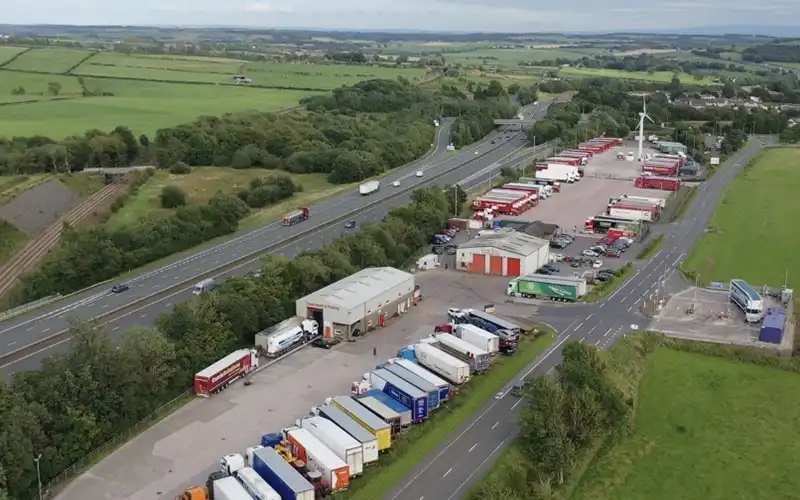
We’re excited to announce the acquisition of the Ecclefechan truck stop in Lockerbie, marking the next step in our network expansion plans. With growing calls for improved safe, secure, and high-quality HGV services in Scotland, our newest site will make essential amenities more widely available and ensure driver wellbeing is a priority. We’ve already been at the site for the past seven years, having […]
- Certas Energy

Certas Energy News
Customer Advice for Oil-Heated Households in Scotland
What’s happening? The Scottish Government has announced further details of its Emergency Heating Oil Scheme, designed to support households facing rising heating costs. From 1 April 2026, eligible households will be able to apply for £300 towards their heating bills. The scheme will support households using both heating oil and Liquid Petroleum Gas (LPG). Payments […]
- Certas Energy


